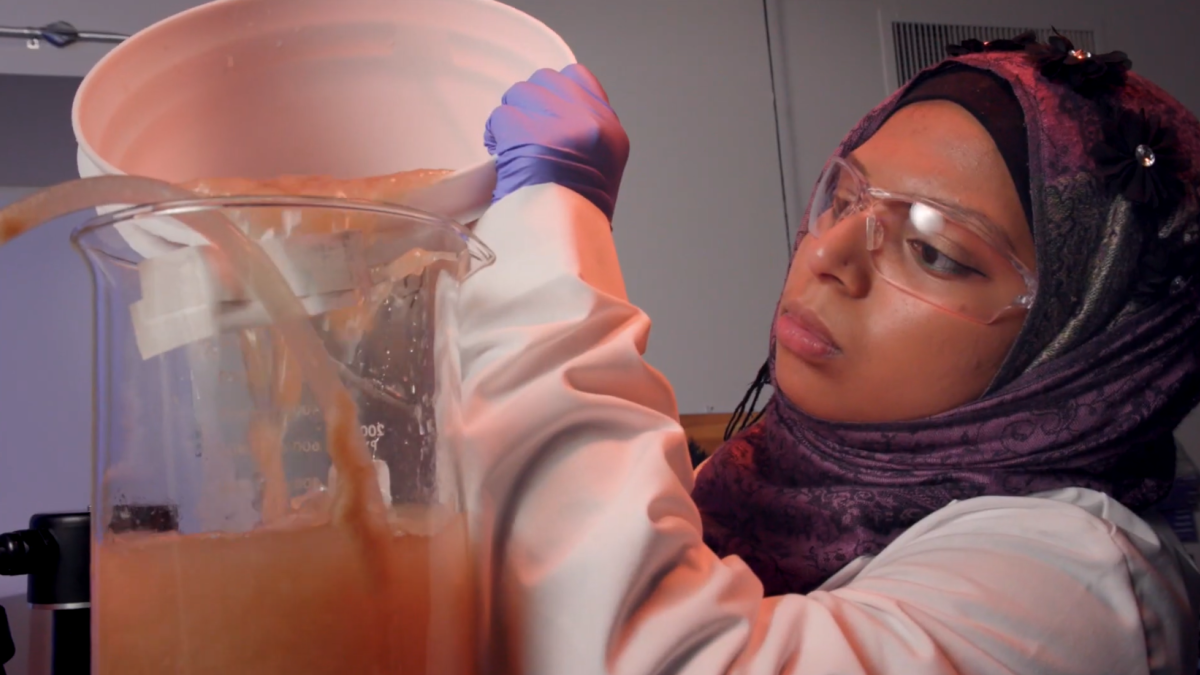
When Daaniya Iyaz started her educational journey studying bioresource science and engineering, she didn’t imagine it would lead to a career in public health and community preparedness. But after witnessing the impacts of extreme weather events on her hometowns in both India and the Pacific Northwest, she knew she wanted to be part of the solution. Iyaz graduated from the University of Washington in the spring of 2022 with a Master of Science in environmental public health and CHanGE’s Graduate Certificate in Climate Change and Health. Now a climate preparedness project manager at King County, Iyaz draws from her educational background in both engineering and public health to develop local strategies to inform and protect communities.
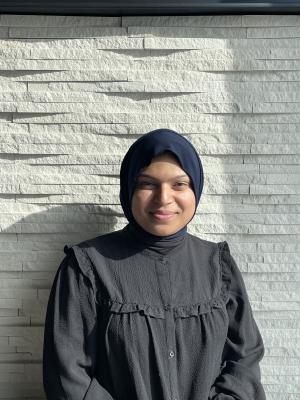
Building a bridge between engineering and public health
Iyaz has spent most of her life in King County and grew up with a deep appreciation for the natural landscape and an interest in environmental science. As an undergraduate student, she was fascinated with the idea of using biofuels, or fuel made from natural sources, to replace fossil fuel-based products. This inspired her to pursue her undergraduate degree in bioresource science and engineering at the UW. During her senior year, she took the Global Environmental Change and Public Health (ENV H 220) class taught by Kristie Ebi, PhD, MPH. Approaching climate and environmental change from a public health perspective piqued her interest.
“I loved having a technical background, but there was this component of how climate impacts health and communities that I wanted to delve more into because I didn't come from a public health background,” Iyaz explains.
Iyaz began reaching out to faculty involved with CHanGE, including founding director Ebi and current director Jeremy Hess, MD, MPH to learn more about the types of research that existed in the field of global health and climate change. Impressed by the broad scope of opportunities available, Iyaz pursued a Master of Science in environmental public health at the UW. While earning her master’s degree, she joined CHanGE’s 15-credit certificate program to further explore her interests in community health and environmental change.
The certificate that tied it all together
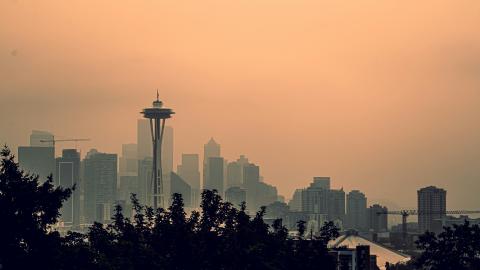
Iyaz completed her master’s thesis with Tania Busch Isaksen, PhD, MPH, exploring the impact of wildfire smoke events on health outcomes among pediatric patients at Seattle Children’s hospital. While her thesis primarily involved quantifying health impacts using numerical data and demographic information, she also used qualitative coding to capture themes and lived experiences in survey responses.
“I'm really interested in qualitative data and people's perceptions of public health and climate change because it is a very individual experience and people have different relationships with the land around them,” Iyaz says.
The CHanGE certificate program integrated seamlessly into Iyaz’s coursework. As part of the certificate’s capstone project, she developed communication materials that summarized the findings of her thesis for doctors and communities. She highlights courses she took during the certificate such as Climate Impacts on the Pacific Northwest (ATMOS 585) and Understanding and Managing the Health Risks of Climate Change (ENV H 518) as being instrumental in connecting climate science with practical, community-focused public health solutions.
Another aspect of the program that Iyaz felt personal ties to was CHanGE’s emphasis on global research, especially in her home country of India. “It was very interesting to me that CHanGE was doing research in my home country. It is important to do international research when it comes to a global health perspective,” Iyaz says.
Joining the ranks of public health leaders
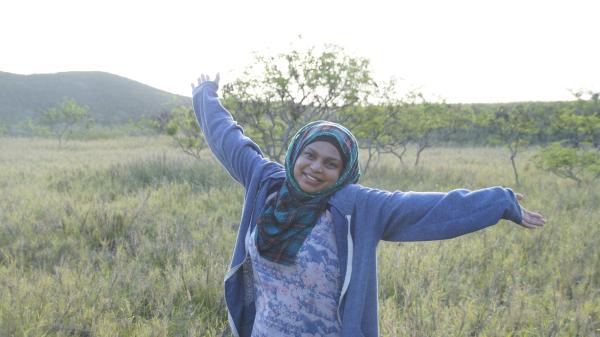
Now working for King County, Iyaz is applying the same principles she learned from CHanGE faculty, and in many cases, collaborating directly with them. She works on strategies to help communities prepare for extreme heat, from developing targeted outreach materials to ensuring resources reach the people who need them most.
“It’s been so rewarding to work alongside the very people who taught and mentored me,” she says. “It’s come full circle and I’m no longer just learning about climate and health, I’m part of the team implementing solutions.”
Iyaz says one of the most inspiring parts of her work has been engaging with young people who are eager to address the climate crisis. “The youth are incredibly motivated and creative. Seeing their energy and ideas keeps me optimistic about what we can achieve.”
Looking ahead, she hopes to continue bridging technical expertise with community needs, helping to build a future where everyone is better prepared for the challenges of a warming world.
- Heat
- Student Spotlight